
The psychology behind high-stakes gambling decisions
The allure of high-stakes gambling
High-stakes gambling captivates many individuals due to the thrill and adrenaline it generates. The possibility of winning substantial amounts can invoke a sense of excitement that is hard to resist. This emotional charge can override rational thinking, leading players to engage in risky behavior, driven by the hope of hitting a jackpot. The psychological phenomenon of “loss aversion,” where the pain of losing is more intense than the pleasure of winning, further complicates decision-making in these high-pressure situations. To explore more about the gaming experience, you can visit https://rioacecasino-australia.com/, which offers insight into the world of online casinos.

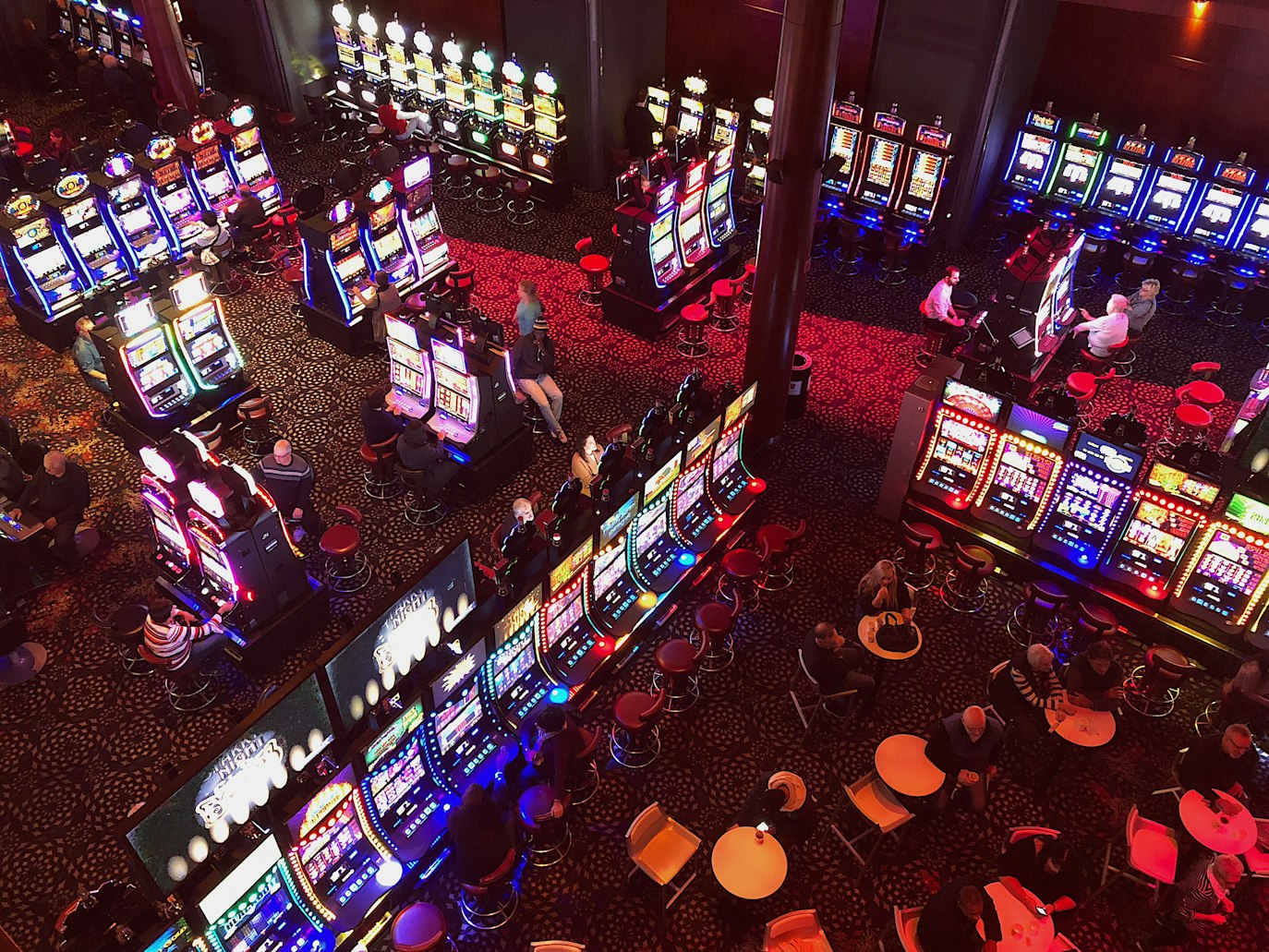
Moreover, the ambiance of a casino is meticulously designed to enhance this allure. Bright lights, captivating sounds, and the lively atmosphere create an immersive experience that can distort perceptions of time and money. Gamblers often find themselves caught in a cycle of excitement, where the desire to win reinforces their commitment to continue playing, despite the potential for significant losses. This environment also plays into the concept of “intermittent reinforcement,” where unpredictable rewards keep players engaged and returning for more.
Ultimately, the psychological draw of high-stakes gambling is a potent mix of emotional highs, the thrill of risk, and the allure of potential financial gain. Understanding these elements can help shed light on why many individuals are willing to put substantial sums on the line, even when the odds are often stacked against them. The interplay between excitement and risk fuels a cycle that can be hard to break, drawing players deeper into the world of high-stakes betting.
The role of cognitive biases
Cognitive biases significantly influence high-stakes gambling decisions, often leading players to make irrational choices. One common bias is the “availability heuristic,” where individuals evaluate the probability of an event based on how easily examples come to mind. For instance, if a player recalls recent wins at a poker table, they may overestimate their chances of winning again, failing to consider the overall odds. This skewed perception can lead to continued betting and increased stakes, despite the inherent risks.
Another prevalent bias is the “confirmation bias,” where gamblers tend to favor information that supports their preconceived notions about luck and skill. They may attribute wins to their skill while overlooking losses, which they may consider just bad luck. This mindset can create a false sense of confidence, prompting players to take larger risks or pursue strategies that aren’t necessarily effective. The tendency to seek validation for one’s beliefs can lead to substantial financial losses, as gamblers chase perceived patterns rather than relying on data.
Additionally, social influences play a crucial role in decision-making during high-stakes gambling. The opinions and behaviors of peers can sway an individual’s judgment, making them more likely to take risks they might otherwise avoid. Groupthink can occur, where the desire for acceptance within a gambling group leads to collective risky decisions. This social pressure, combined with cognitive biases, creates a perfect storm for making poor gambling choices, amplifying the potential for significant losses.
The impact of emotion on decision-making
Emotions play a pivotal role in high-stakes gambling decisions, often overshadowing logical reasoning. During gameplay, individuals may experience heightened feelings of excitement, fear, or anxiety, all of which can lead to impulsive actions. For instance, a player on a winning streak may feel invincible, leading them to raise their stakes dramatically. This “hot streak” phenomenon can cloud judgment, as emotions propel the gambler to chase after further victories, disregarding the underlying risks.
Conversely, negative emotions such as frustration or fear of loss can lead to equally detrimental decisions. A player who suffers a loss might increase their bets in an attempt to recover their losses, a behavior known as “chasing losses.” This emotional reaction can escalate the risk of financial ruin, as the gambler tries to regain control over their situation through irrational decision-making. Understanding this emotional component is vital for recognizing how feelings can impact the choices made during high-stakes gambling scenarios.
Furthermore, the role of physiological responses to emotions cannot be underestimated. Changes in heart rate, perspiration, and even a sense of euphoria can manifest during high-stakes moments. These physiological reactions can trigger the brain’s reward system, reinforcing risky behavior. As players become more attuned to the sensations of excitement, they may inadvertently increase their betting levels, falling into a cycle of emotional highs and lows that drives further gambling.
The consequences of high-stakes gambling
The consequences of high-stakes gambling extend beyond just financial loss. Many individuals find themselves facing a myriad of psychological, social, and emotional challenges as a result of their decisions. Compulsive gambling can lead to anxiety, depression, and a sense of isolation, particularly when individuals begin to hide their gambling habits from family and friends. This emotional toll often exacerbates the situation, leading to more desperate attempts to win back losses.
Financially, the stakes can be devastating. High-stakes gambling often leads to debts that can spiral out of control, affecting not only the gambler but their families as well. Relationships may deteriorate as trust erodes and financial burdens increase. This ripple effect can culminate in severe life changes, including bankruptcy, loss of employment, or even legal issues related to gambling debts. The personal costs are often invisible until they manifest in dramatic life changes.
Lastly, the societal impact of high-stakes gambling cannot be overlooked. Communities may experience higher rates of crime, substance abuse, and mental health issues linked to gambling. As individuals struggle to cope with the pressures and consequences of their gambling habits, the strain on social services and community resources can increase. Understanding these broader implications is crucial for addressing the issues surrounding high-stakes gambling and finding effective solutions to mitigate its impact.
Experience the thrill at RioAce Casino
RioAce Casino Australia provides a premier online gaming experience, designed specifically for players looking to explore high-stakes gambling in a safe and secure environment. With a selection of over 9,300 games, including popular slots and live dealer options, players are offered an exciting yet responsible approach to gaming. The platform also features fast payouts and 24/7 support, ensuring that players have a seamless gaming experience.
For those who appreciate the thrill of high-stakes gambling, RioAce Casino offers generous promotions and a welcoming bonus of up to A$5000 along with 350 free spins. This combination not only enhances gameplay but also allows for exploration of various games without the immediate financial risk. The user-friendly mobile interface ensures that players can enjoy their favorite games anytime, anywhere, creating a flexible gaming experience tailored to individual needs.
Ultimately, RioAce Casino stands out as a destination for both seasoned gamblers and newcomers alike. With an emphasis on responsible gaming practices and a commitment to providing a rewarding atmosphere, players can indulge in the excitement of high-stakes gambling while remaining aware of the psychological elements at play. With comprehensive support and a variety of gaming options, RioAce Casino aims to enhance the enjoyment of every visit, making it a top choice for online gaming enthusiasts.