
Exploring the fascinating evolution of gambling through history A Wprld Cup 2026 Prediction Tomorrow perspective
The Ancient Roots of Gambling
Gambling has a history that dates back thousands of years, with evidence found in ancient civilizations such as Mesopotamia, China, and Egypt. Archaeologists have discovered artifacts like dice and betting tokens, indicating that games of chance were integral to these cultures. In Mesopotamia, for example, the use of six-sided dice is documented in texts that date back to around 3000 BC. These early forms of gambling reflect not only a quest for entertainment but also a method of decision-making and divination. As you delve into your betting strategy, be sure to check out daily WC Predictions Tomorrow from Wcpredictionstomorrow.com, which can provide valuable insights.
In ancient China, around the same period, gambling was often associated with festivals and celebrations. The earliest known lottery game, known as “Keno,” emerged during this time, allowing participants to bet on the outcome of random draws. This laid the groundwork for modern lottery systems. Similarly, the Romans introduced gambling as a social activity, with people wagering on events such as gladiatorial games and chariot races. This historical context helps us understand how gambling evolved into the multifaceted industry we recognize today.
The connection between ancient gambling practices and today’s betting culture is profound. As societies progressed, so did their approaches to gambling. The establishment of rules and formal structures indicated a transition from informal gatherings to organized betting. This evolution set the stage for more complex games and betting systems, paving the way for future developments in casinos and sports betting, including Wprld Cup 2026 Prediction Tomorrow opportunities.
The Rise of Modern Casinos
The evolution of gambling took a significant leap with the establishment of modern casinos in the 17th century. Initially, these establishments were social hubs where the elite indulged in games of chance. The first recognized casino, the Casino di Venezia, opened in Italy in 1638. This marked the beginning of a trend that would spread across Europe and eventually to America. These early casinos offered a variety of games, including baccarat and roulette, laying the groundwork for the extensive gambling options available today.
In the 19th century, the gambling industry underwent a transformation with the introduction of more sophisticated games and the establishment of gaming laws. The development of the game of poker, particularly in the United States, reflects this shift towards more strategic forms of gambling. Casino culture flourished in places like Las Vegas and Monte Carlo, attracting millions of visitors eager to experience the thrill of gaming. The design and architecture of these establishments also became an art form, enhancing the overall gambling experience.
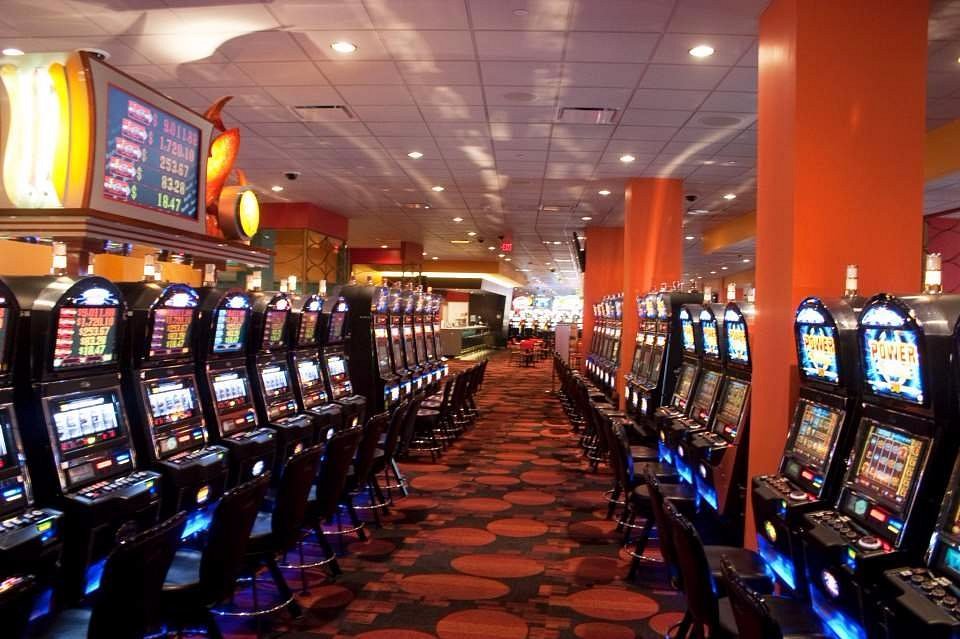
Today’s casinos incorporate advanced technology and offer a wide range of betting options, from classic table games to modern slot machines and online gaming. The interplay between tradition and innovation is essential to understanding how gambling continues to attract diverse audiences. The emergence of online casinos has further revolutionized the industry, making it more accessible to players around the globe, thereby expanding its reach and popularity.
The Intersection of Sports and Gambling
The world of sports has long been intertwined with gambling, as evidenced by the popularity of betting on various athletic events. From ancient Olympic Games in Greece to modern-day football matches, spectators have always wagered on the outcomes. This not only heightens the excitement of the event but also creates a significant economic impact. The rise of sports betting, particularly in the wake of legal changes in various countries, has transformed how fans engage with their favorite sports.
As we approach the FIFA World Cup 2026, the intersection of sports and gambling becomes even more prominent. Predictive analytics and advanced data modeling have become essential tools for bettors looking to make informed decisions. Betting markets are influenced by team dynamics, player statistics, and historical performance, emphasizing the need for thorough research. Understanding these nuances can enhance a bettor’s experience, particularly in high-stakes tournaments like the World Cup.
Furthermore, the integration of technology in sports betting is reshaping the landscape. Mobile apps and online platforms enable fans to place bets in real-time, increasing engagement and accessibility. The ability to bet on various aspects of a match, from final scores to individual player performances, reflects a shift towards a more interactive experience. This evolution represents not just a change in how gambling is approached but also highlights the growing acceptance of betting as part of the sports culture.
The Future of Gambling and Betting
The future of gambling is poised to be shaped by technology and evolving regulations. With the rise of cryptocurrencies and blockchain technology, the industry is likely to see significant changes in payment methods and transparency. These advancements can enhance security and reduce fraud, making the gambling experience safer for players. The appeal of decentralized betting platforms could further transform traditional models, offering users new ways to engage with gambling.
Moreover, as virtual reality (VR) and augmented reality (AR) technologies advance, they may revolutionize the casino experience. Imagine stepping into a virtual casino from the comfort of your home, interacting with other players and dealers in a realistic environment. Such innovations could redefine social gambling, appealing to a new generation of gamers. The implications for events like the World Cup are exciting, as interactive betting experiences could engage fans on a whole new level.
As more jurisdictions around the world legalize and regulate sports betting, the industry is expected to grow exponentially. This shift not only legitimizes gambling but also encourages responsible betting practices. With increased competition, bookmakers will likely offer better odds and promotions, enhancing the overall betting experience. The future of gambling is indeed promising, blending tradition with innovation to create an inclusive and thrilling environment for players.

Discovering Insights at WcPredictionsTomorrow.com
At WcPredictionsTomorrow.com, we strive to empower bettors with comprehensive insights into the evolving world of sports betting, particularly as we approach the FIFA World Cup 2026. Our platform provides expert predictions based on in-depth analysis, helping users navigate the complex dynamics of tournament play. We understand that the thrill of betting extends beyond mere luck; informed decisions can make all the difference in maximizing returns.
Our team of analysts carefully examines team performances, player statistics, and historical trends to deliver tailored betting advice. By decoding the strategies behind each match, we enable bettors to identify valuable markets and opportunities. Our goal is to elevate your betting experience through knowledge and context-driven insights, ensuring that you’re always one step ahead.
Join us at WcPredictionsTomorrow.com as we explore the fascinating interplay between gambling and the World Cup. Whether you’re a seasoned bettor or a newcomer, our resources are designed to enhance your understanding and enjoyment of the betting landscape. Together, let’s embark on this thrilling journey into the world of sports betting!